Electric or petrol scooter?
How electric and petrol scooters differ in charging and fuelling, maintenance, noise and everyday use, with the MEGA ES1 and MEGA Tron.
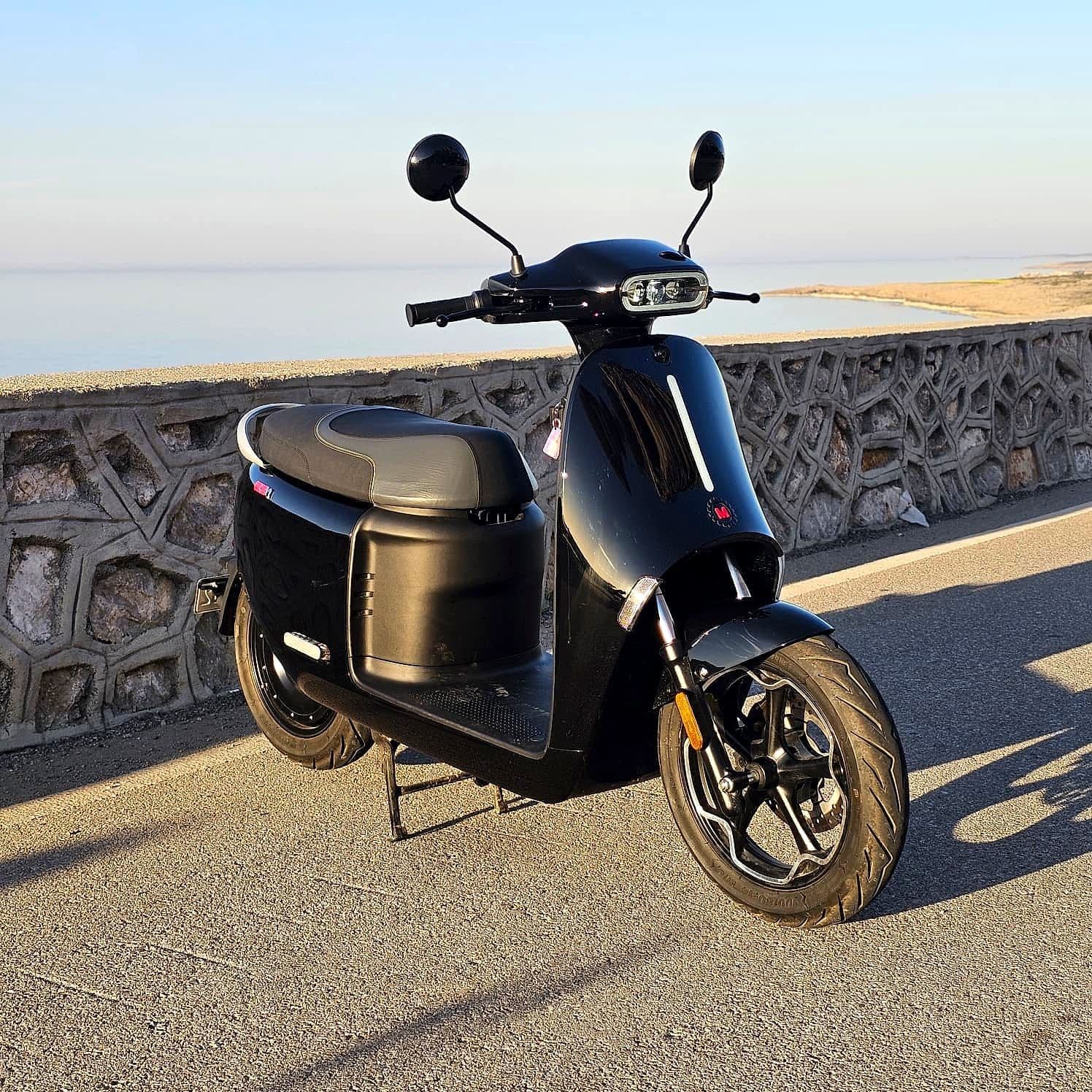
When buying a scooter the first decision is often this one: electric or petrol? Both have strengths. This article explains the differences using MEGA’s electric ES1 and petrol Tron.
Energy: charging and fuelling
An electric scooter charges from a socket. The ES1’s 72V lithium battery is removable, so you can charge it indoors at home or at work, or on the scooter if you prefer. Its range is over 100 km.
A petrol scooter is filled at a fuel station in minutes. The Tron has a 3-litre tank and a 110 or 125 cc four-stroke engine.
Running costs
The ES1 costs about a third as much to run as a petrol vehicle. If you ride every day, the difference adds up over time.
Maintenance
An electric motor has none of the petrol-engine service items such as engine oil, spark plugs, a fuel filter or an exhaust, so the ES1 needs minimal maintenance. A petrol engine needs periodic servicing such as regular oil changes. We guarantee spare-parts availability for both models.
Noise and everyday use
An electric motor is very quiet and produces no exhaust fumes. The ES1 also has regenerative braking, NFC keyless start and cruise control. The Tron’s highlights are its 4-speed semi-automatic gearbox, alarm, remote engine start and large under-seat storage.
In short
- Charging at a socket, low running costs, quiet riding and little maintenance: ES1
- Quick refuelling, a petrol engine and lots of storage: Tron
- Deliveries: the ES1 courier with its 108-litre box
For full reviews, see our ES1 article and our Tron article. All scooters are on the scooter page.
Our base in Mehmetçik – İskele (Avcılar Street No: 27) is open Monday – Saturday, 09:00 – 18:00. Sales line: 0533 843 01 05 (phone and WhatsApp). Service line: 0533 844 01 05. To book a test ride, use the form on our contact page or message us on WhatsApp.